Welcome to INDOGRIP INDIA PVT. LTD. !

Piping
We refer to the system of pipes, fittings, valves, and other components used to convey fluids, gases, and slurries from one location to another. Piping systems are essential in various industries, including plumbing, HVAC, chemical processing, and oil and gas.
Types of Piping:
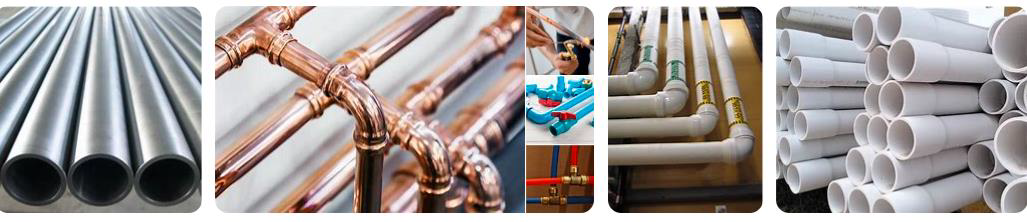
- Copper Piping: Used for water supply, heating, and cooling systems.
- PVC Piping: Used for drainage, sewage, and water supply systems.
- Steel Piping: Used for high-pressure applications, such as oil and gas transmission.
- PEX Piping: Used for water supply and radiant floor heating systems.
Piping Components:
- Pipes: Made from various materials, including copper, PVC, steel, and PEX.
- Fittings: Used to connect pipes, including elbows, tees, and couplings.
- Valves: Control fluid flow, including gate valves, ball valves, and check valves.
- Pumps: Used to boost fluid pressure and flow rate.
Piping Applications:
- Plumbing: Water supply, drainage, and sewage systems.
- HVAC: Heating, ventilation, and air conditioning systems.
- Chemical Processing: Transporting chemicals and fluids in industrial processes.
- Oil and Gas: Transporting crude oil, natural gas, and refined products.
Benefits of Proper Piping:
- Efficient Fluid Transport
- Leak Prevention
- Corrosion Protection
- Cost Savings
Piping systems are a crucial aspect of various industries, including plumbing, HVAC, chemical processing, and oil and gas. These systems play a vital role in conveying fluids, gases, and slurries from one location to another, enabling the efficient operation of various processes.
The piping system consists of pipes, fittings, valves, and other components made from various materials, including copper, PVC, steel, and PEX. Each material has its unique properties, advantages, and applications. For instance, copper piping is widely used in plumbing and HVAC systems due to its excellent thermal conductivity and resistance to corrosion.
Piping systems have numerous applications across various industries. In plumbing, piping is used for water supply, drainage, and sewage systems. In HVAC, piping is used for heating, ventilation, and air conditioning systems. In chemical processing, piping is used to transport chemicals and fluids in industrial processes. In the oil and gas industry, piping is used to transport crude oil, natural gas, and refined products.
Proper piping installation, maintenance, and repair are essential to prevent leaks, corrosion, and other issues that can lead to costly repairs, environmental damage, and even safety hazards. Regular inspection and maintenance of piping systems can help identify potential issues before they become major problems.
In conclusion, piping systems are a vital part of various industries, and their proper design, installation, and maintenance are crucial for efficient and safe fluid transport. Understanding the different types, components, and applications of piping systems is essential for ensuring the reliability and integrity of these systems.